
Cost Efficiency
& Decarbonization

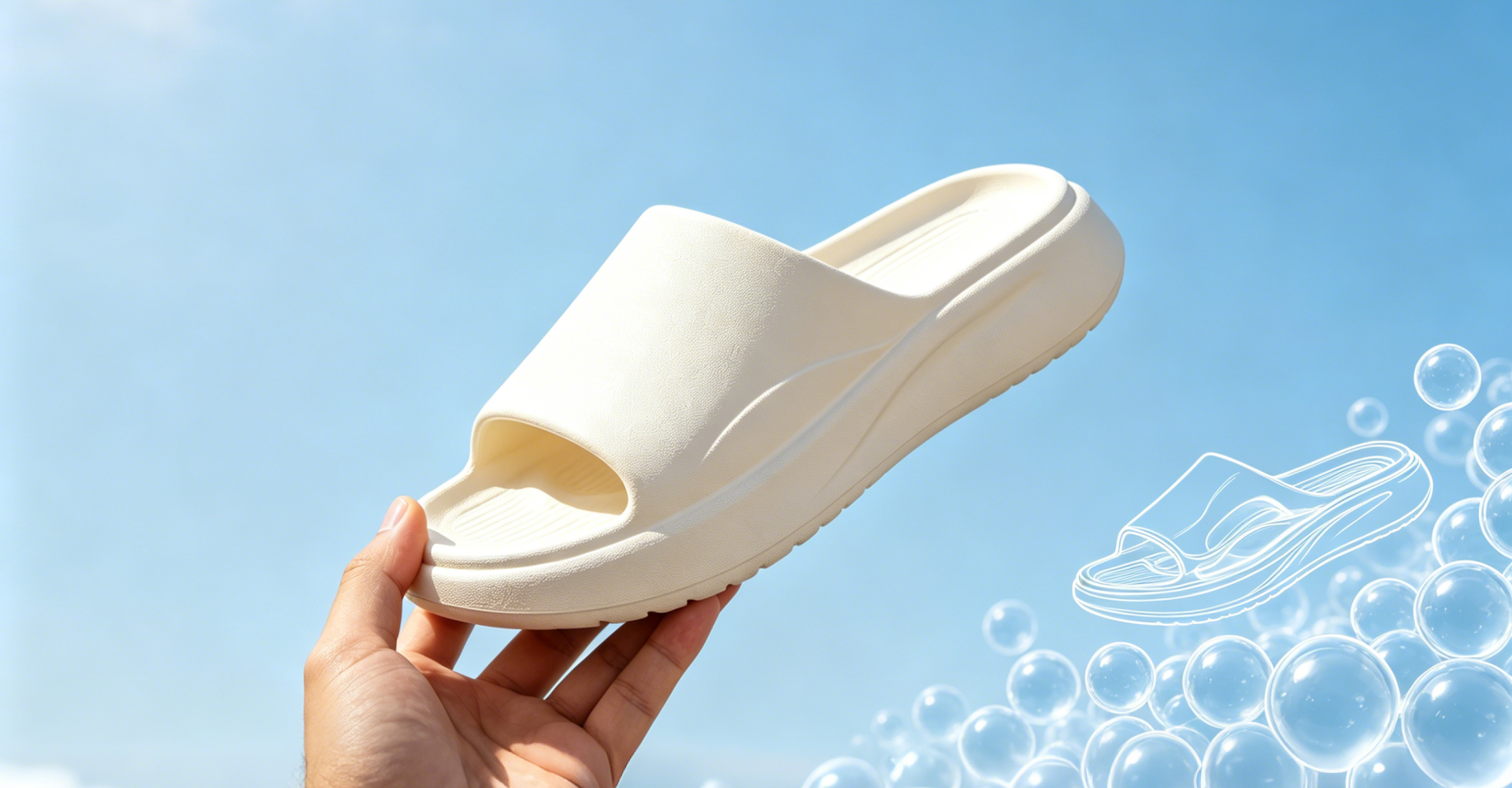
Have you noticed that slippers and sneakers have become noticeably lighter, softer, and more durable in recent years? Modern footwear is designed to maintain its cushioning, resist yellowing during storage, and deliver long-lasting comfort throughout its service life.
While many footwear manufacturers still rely on conventional azodicarbonamide (AC) chemical foaming agents for density reduction, leading manufacturers are increasingly adopting expandable microsphere technology as a physical foaming solution. This technology has been widely applied in PVC air-blown slippers, PVC injection-molded soles, and TPR elastic soles, helping manufacturers achieve more uniform foaming, improved product consistency, and greater flexibility in lightweight product design.
During the mass production of PVC and TPR footwear, manufacturers commonly encounter several challenges:
The market demands increasingly lightweight footwear, yet reducing density often compromises mechanical performance. Conventional foaming methods may result in insufficient sole stiffness and structural support, causing deformation or collapse after prolonged use and reducing rebound performance.
At the same time, premium customers are placing higher expectations on product appearance and durability, including improved gloss, whiteness, resistance to water absorption, mildew resistance, and overall wear resistance. Conventional formulations often struggle to meet the quality standards required by premium retail brands and international supply chains.
When using AC chemical foaming agents alone, the generated cells tend to be relatively large and interconnected. As a result, density control becomes difficult for products with varying thicknesses.
Manufacturers frequently experience:
Significant weight variations between production batches
Collapse in thick soles
Pinholes and blister defects in thin soles
Higher rejection and rework rates, increasing production costs
Many manufacturers also face long procurement cycles and unstable supply of imported materials. Small and medium-sized footwear producers often struggle to secure reliable material sources, while intense price competition continues to compress profit margins.
In essence, these challenges are not simply processing issues—they originate from the foaming system itself.
Expandable microspheres were developed specifically to overcome these limitations through an advanced physical foaming mechanism.
Expandable microspheres are thermoplastic polymer shells encapsulating a liquid blowing agent in a unique core-shell structure. As a closed-cell physical foaming additive, they expand when heated during PVC compounding, injection molding, air-blowing, or TPR processing.
As the temperature rises, the encapsulated blowing agent vaporizes while the polymer shell softens and expands simultaneously. After cooling, each microsphere forms an independent, permanently closed spherical cell.
Unlike AC chemical foaming agents, which generate interconnected gas cells through chemical decomposition, expandable microspheres create a fine, uniform, and stable closed-cell structure.
Their advantages include:
Can be used together with AC foaming agents to further reduce product density and achieve higher levels of lightweighting through optimized formulations.
Fine and uniform closed-cell structures improve structural support while providing excellent resilience.
Help compensate for the mechanical property loss typically associated with density reduction, maintaining rebound, stiffness, comfort, and dimensional stability.
✅ Lightweight Design
Achieve lighter footwear while maintaining the same sole thickness, improving wearing comfort and creating differentiated products.
✅ Superior Appearance
Uniform and fine cell morphology minimizes pinholes, large cells, and blister defects, resulting in premium-quality white and colored soles suitable for export markets and high-end footwear brands.
✅ Excellent Balance of Resilience and Structural Support
Provide high rebound performance while maintaining sufficient stiffness, reducing compression deformation and extending footwear service life.
✅ 18+ Years of Expertise
Backed by over 18 years of R&D, thousands of formulation solutions, and extensive experience supporting footwear manufacturers worldwide, Crerax helps customers continuously improve product performance through technological innovation.
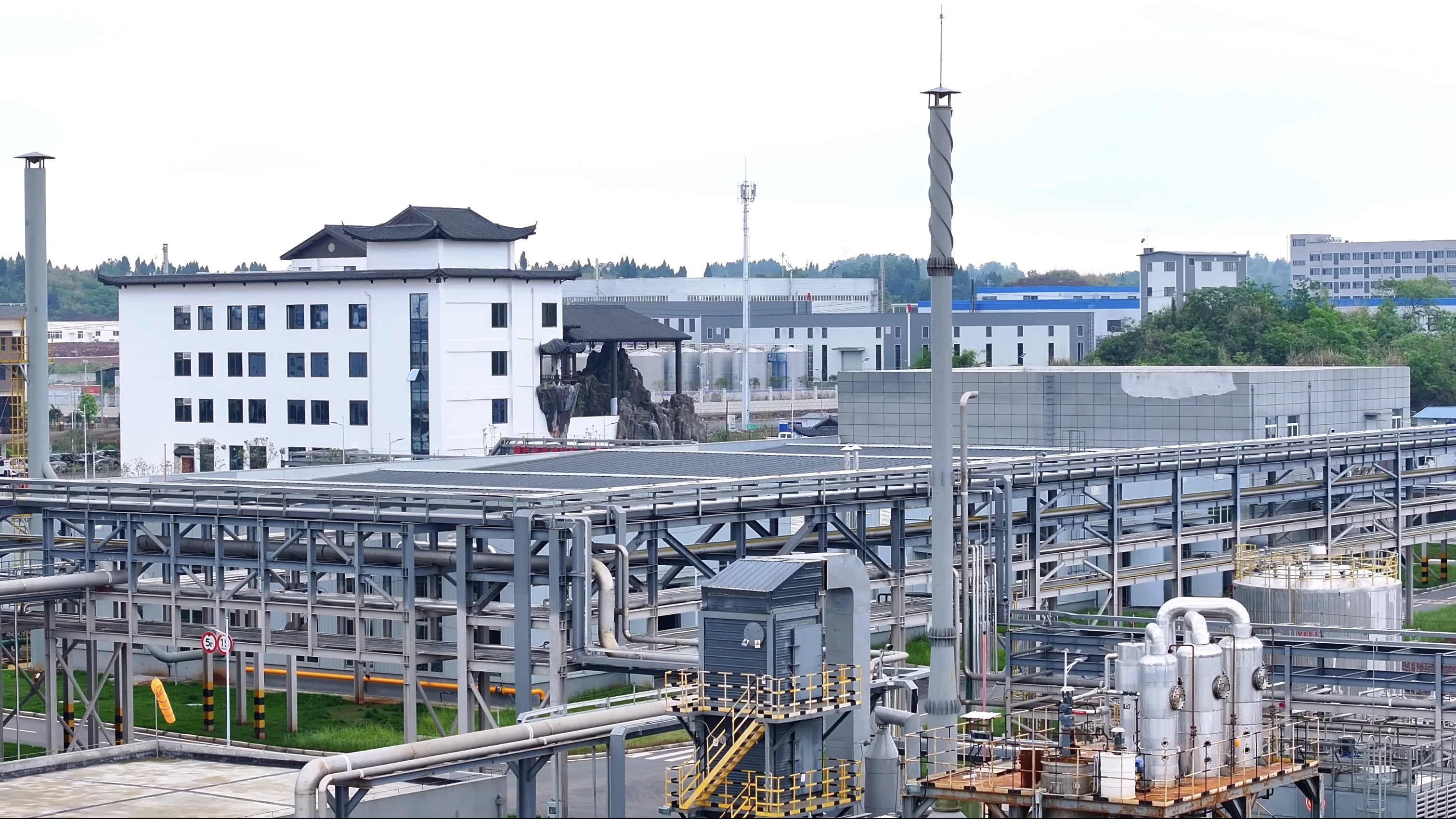
✅ Industry-leading global production capacity supported by fully automated manufacturing lines, ensuring consistent product quality and batch-to-batch stability.
✅ Premium domestic alternative to imported expandable microspheres, offering more competitive procurement costs and a stable supply chain independent of international raw material price fluctuations.
✅ Customized product solutions designed to meet different processing technologies, footwear types, regional markets, and performance requirements.
As product homogenization intensifies across the footwear industry, a stable lightweight foaming technology has become a key competitive advantage.
Expandable microsphere technology enables footwear manufacturers to enter premium brand markets and international export supply chains with higher-quality products, creating differentiation through performance instead of competing solely on price.
Crerax Expandable Microspheres are widely used in various footwear materials and manufacturing processes, including:
Air-blown soles
Injection-molded soles
PVC foamed compounds
TPR thermoplastic elastomer soles
TPU materials
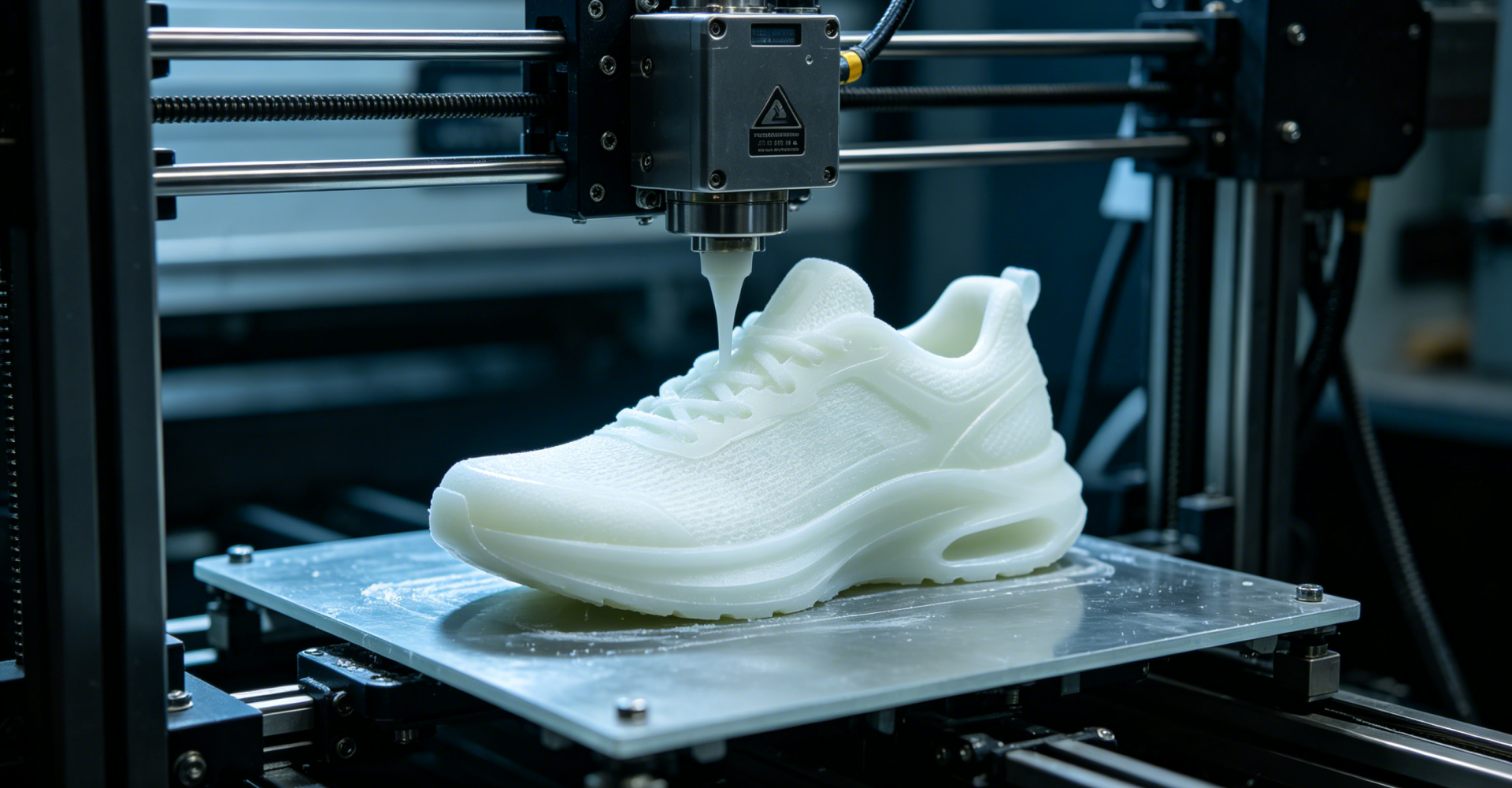
3D-printed footwear
Synthetic leather uppers
Rubber compounds
Other lightweight footwear materials
Contact Crerax today for free formulation support and sample evaluation.
✔ Free sample request
✔ One-on-one formulation and processing consultation
✔ Distributor partnership opportunities
Email: info@crerax.com
Tel: +86-21-50876797 / +86-15801986470
Website: www.crerax.com


